In Utah’s mountain communities, outdoor living isn’t just an add-on — it’s a lifestyle feature.
Whether you’re building in Park City, Heber Valley, Midway, or elsewhere in the Wasatch Back, thoughtfully designed outdoor spaces can dramatically increase both daily enjoyment and long-term resale value. With panoramic views, four distinct seasons, and cool mountain air, the opportunity to extend your living space outdoors is one of the greatest advantages of building in Northern Utah.
But designing outdoor spaces in the mountains requires more than adding a patio and calling it done. Snow loads, freeze-thaw cycles, sun exposure, and elevation all influence how outdoor living areas should be planned.
Here’s how to design outdoor spaces that truly elevate a Utah mountain home.
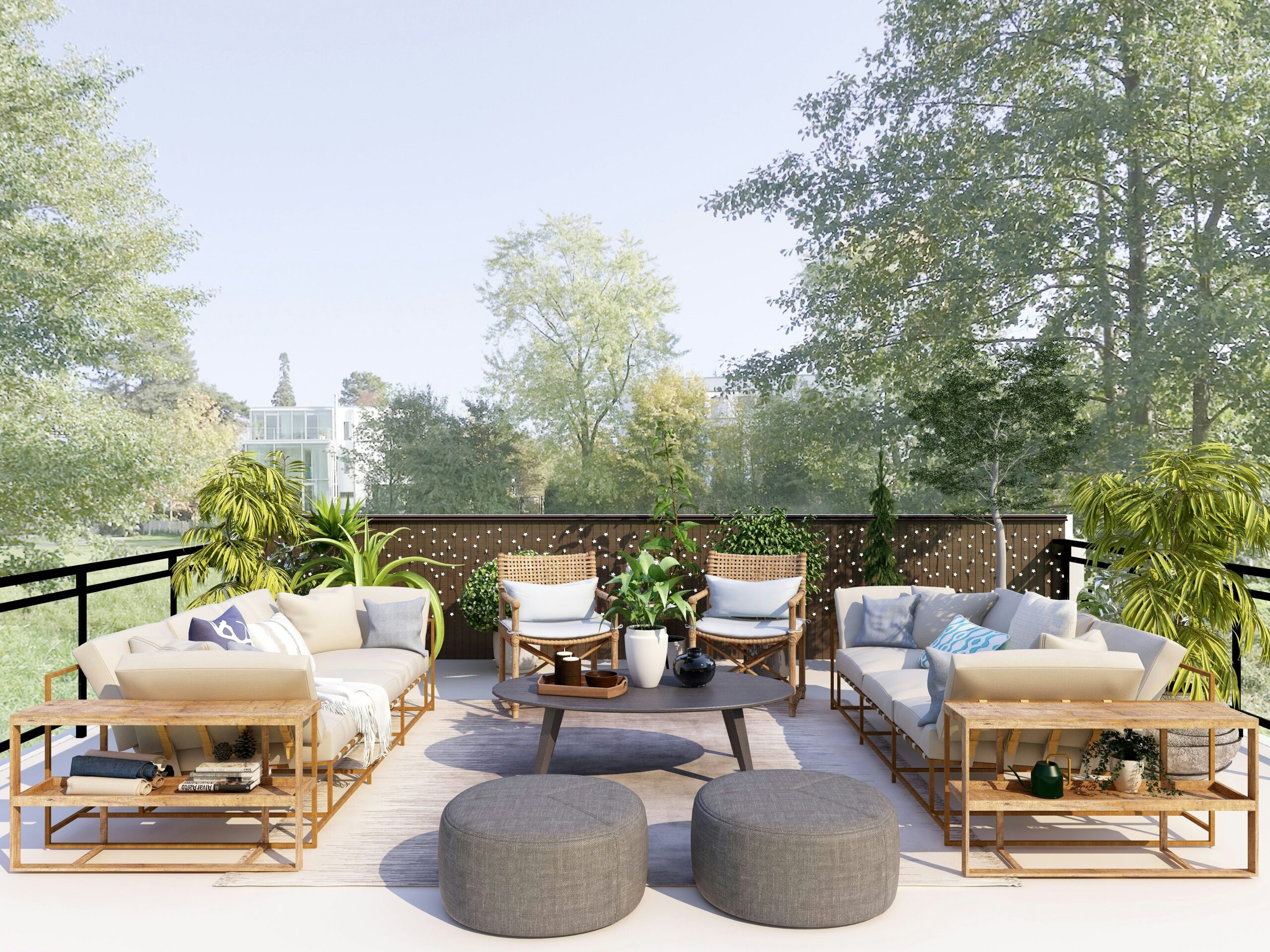
In Utah’s mountain climate, uncovered patios often sit unused for months due to snow, rain, or intense summer sun. A covered patio or deck extends usability well beyond peak summer.
Covered outdoor living areas allow homeowners to enjoy fall evenings, spring afternoons, and even mild winter days comfortably.
Pro Tip: In mountain home construction, it’s far more cost-effective to structurally plan a covered outdoor space during initial construction than to retrofit one later.
Outdoor kitchens are increasingly expected in custom homes throughout Park City and surrounding areas. However, mountain weather requires careful material selection.
Designing the kitchen under a covered structure helps protect appliances and extend longevity.
In mountain homes with expansive views, orientation is everything. Position cooking and seating areas so the chef isn’t facing away from the scenery. Design around prevailing winds to avoid smoke blowback from grills.
Outdoor kitchens increase both lifestyle appeal and resale value when executed properly.
Few design elements complement a Utah mountain home better than a fire feature.
Whether wood-burning or gas-powered, fire pits and outdoor fireplaces create gathering spaces that make outdoor living functional in cooler months.
Because mountain evenings cool quickly — even in summer — fire features extend usability dramatically.
Resale Insight: Buyers consistently associate fire features with luxury and comfort, especially in alpine settings.
In snow-heavy areas like Park City, heated exterior surfaces are becoming less of a luxury and more of a practical upgrade.
Snow melt systems installed beneath:
These systems reduce snow removal labor and improve safety during winter months.
Hydronic systems (using heated glycol tubing) are commonly installed during construction and powered by high-efficiency boilers.
While the upfront investment is significant, the long-term convenience and winter accessibility make heated surfaces a standout feature in mountain home design.
Utah’s elevation creates harsh conditions for exterior materials. Freeze-thaw cycles, UV exposure, and heavy snow loads can shorten the lifespan of poorly selected finishes.
Choosing durable materials protects your investment and reduces long-term maintenance costs — a factor that buyers increasingly evaluate when considering resale value.
Landscaping in Utah’s mountain regions requires a different approach than valley properties.
Low-maintenance landscaping that complements the natural environment often performs better than overly manicured designs in alpine settings.
Strategic use of evergreens, native grasses, and natural stone hardscaping helps outdoor spaces feel cohesive with their surroundings.
One of the most impactful outdoor design decisions happens inside the home.
Large sliding or multi-panel doors that open directly to covered patios create seamless transitions between interior and exterior living spaces.
Designing indoor-outdoor flow during the architectural phase ensures structural alignment and proper roof coverage.
In mountain homes with scenic views, this connection becomes a defining feature.
Mountain terrain affects wind patterns and sun exposure dramatically.
When designing outdoor living spaces:
A thoughtful site plan can make the difference between a patio that’s rarely used and one that becomes the home’s favorite gathering place.
In growing mountain communities, privacy is increasingly important.
Creative solutions include:
Balancing privacy and view corridors requires careful planning — especially on sloped lots.
Outdoor living is not a trend in Utah’s mountain markets — it’s an expectation.
Buyers actively look for:
Homes that feel thoughtfully designed for the local climate consistently command stronger resale interest.
When outdoor spaces are integrated into the overall architectural design — rather than added as an afterthought — they become an extension of the home’s square footage.
The key to successful outdoor living design in Utah’s mountain communities is early planning.
Structural considerations, snow loads, drainage, utilities, and orientation must be addressed during the architectural and pre-construction phases.
Retrofitting outdoor features later is often more expensive and less cohesive.
Whether you’re designing a custom home in Park City, Heber Valley, or elsewhere in the Wasatch Back, investing in climate-appropriate outdoor living spaces enhances daily life and protects long-term value.
Utah mountain homes are uniquely positioned to take advantage of breathtaking scenery and four-season living. The right outdoor design decisions can elevate both experience and equity.
Covered patios. Durable materials. Fire features. Heated surfaces. Native landscaping. Seamless indoor-outdoor flow.
When outdoor living is designed with the mountain environment in mind, it becomes one of the most valuable features of your custom home.
If you're planning a new build and want to ensure your outdoor spaces are as thoughtfully designed as your interior, starting that conversation during the early planning phase makes all the difference.